Every job below is one we do ourselves across Horn Lake.
We frame new decks on concrete footings poured below where Mississippi clay typically shifts, then build the deck and stairs on top. You pick pressure-treated pine, cedar, or composite decking, and we'll walk you through the tradeoffs of each before you decide.
Most repair calls start with a bounce in the floor or a step that feels soft. We get under the deck, find the rotted joist or the loose hanger causing it, and fix that spot instead of rebuilding the whole structure.
Pressure-treated pine requires a new coat of sealant every two to three years in this climate, sooner if the deck gets full sun all afternoon. We pressure wash, let the wood dry out fully, then stain so the coat actually bonds instead of peeling in a season.
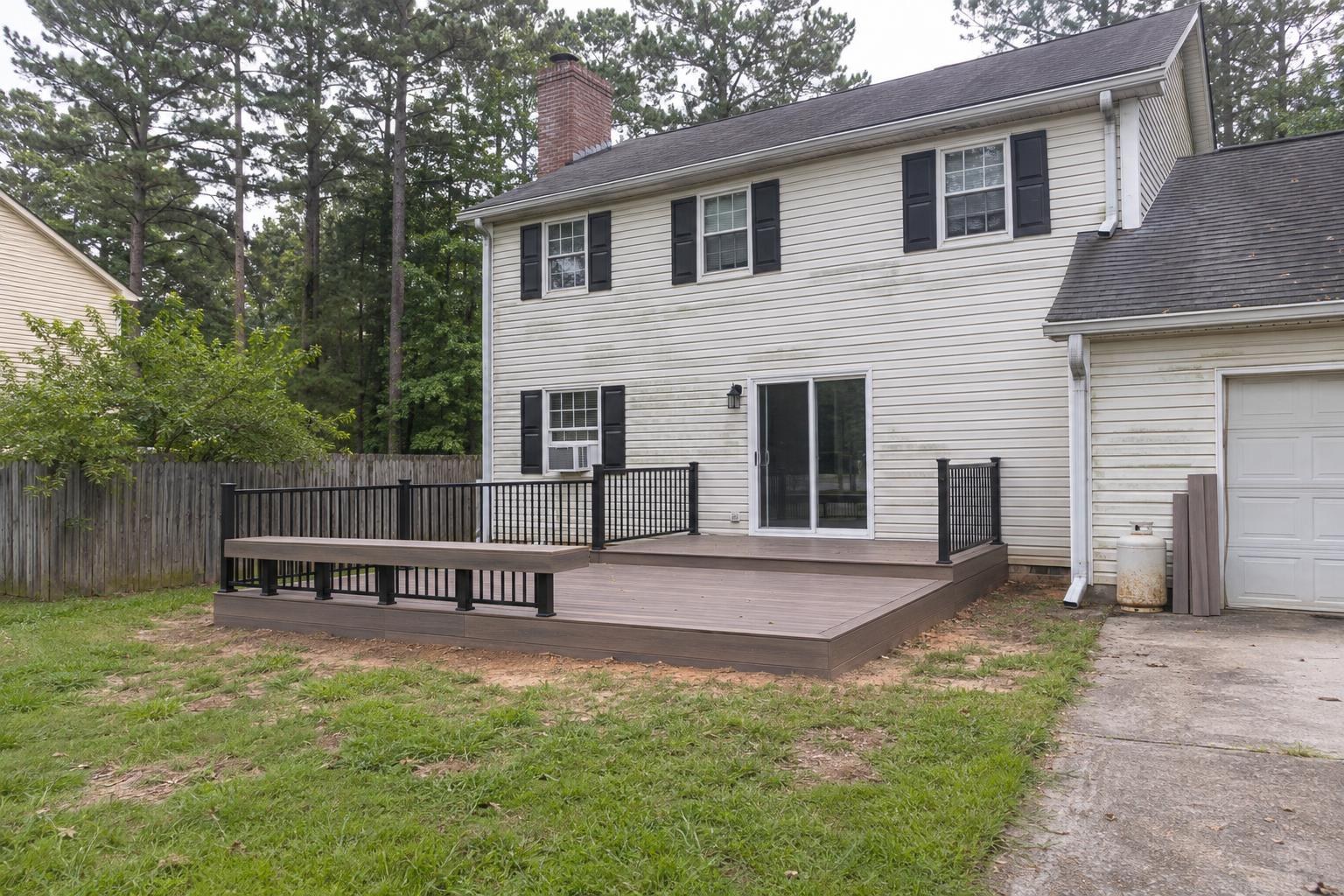
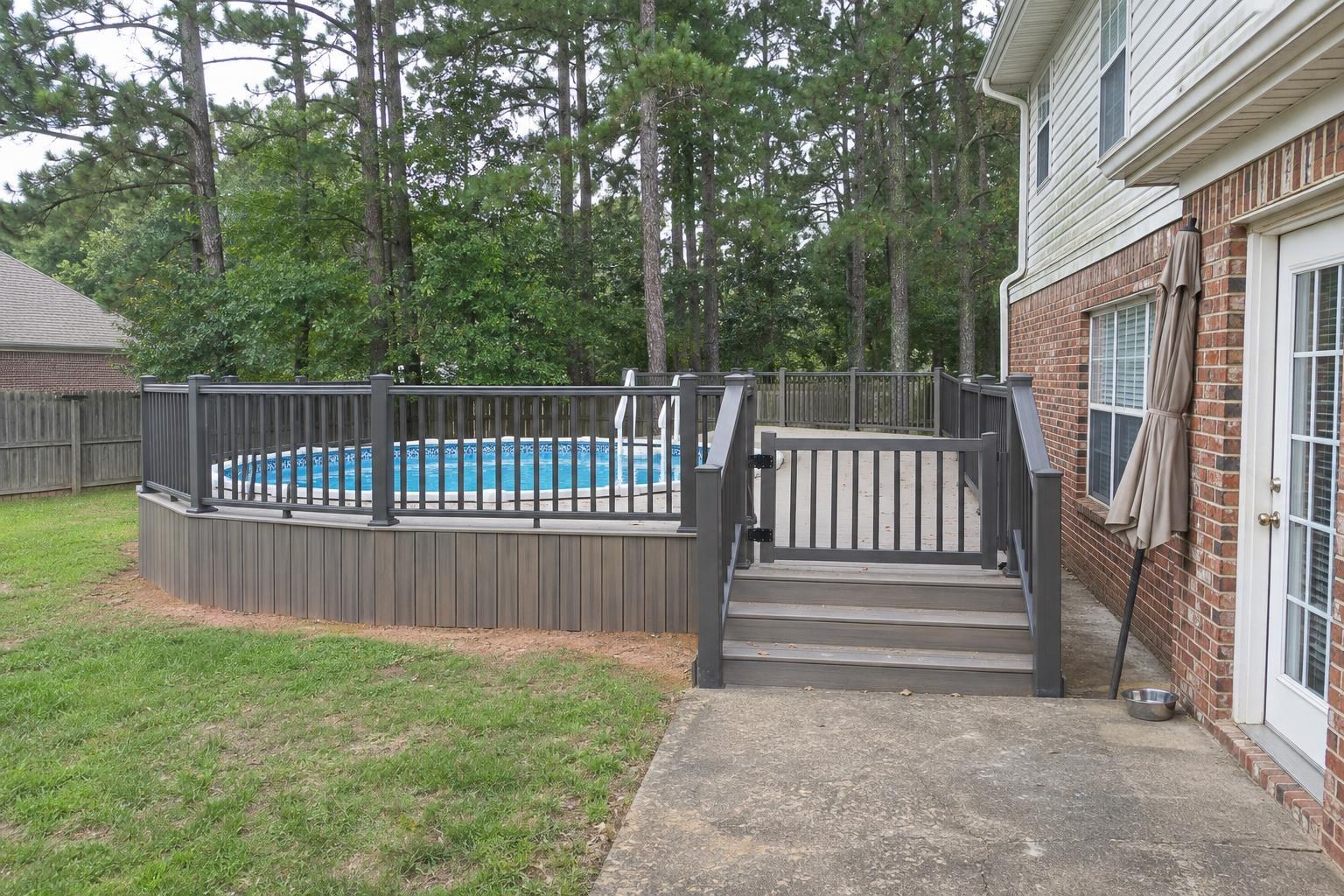
Multi-level decks, built-in benches, pergolas, and layouts that work around a pool or a sloped yard. We draw it out and talk through the framing before any lumber gets ordered.
Loose balusters and wobbly railing posts are a liability, not just an eyesore. We rebuild railings to code spacing, usually no gap wider than four inches, and anchor posts into the frame instead of just the decking.
Composite boards cost more up front and skip the sanding, staining, and splinters that come with wood. We still build the frame the same way underneath, because composite decking only lasts as long as what it's screwed to.
This is the part under the boards: joists, beams, ledger board, and footings. If a deck is sagging, leaning, or pulling away from the house, the fix is almost always here, not in the decking itself.
Deck stairs take more abuse than the deck itself, especially the bottom tread. We rebuild stringers and treads to carry weight evenly instead of patching a board that's about to go again.
Mildew and algae build up fast on shaded decks in Mississippi humidity. A pressure wash before staining, or just on its own once a year, keeps the wood from going gray and slick.
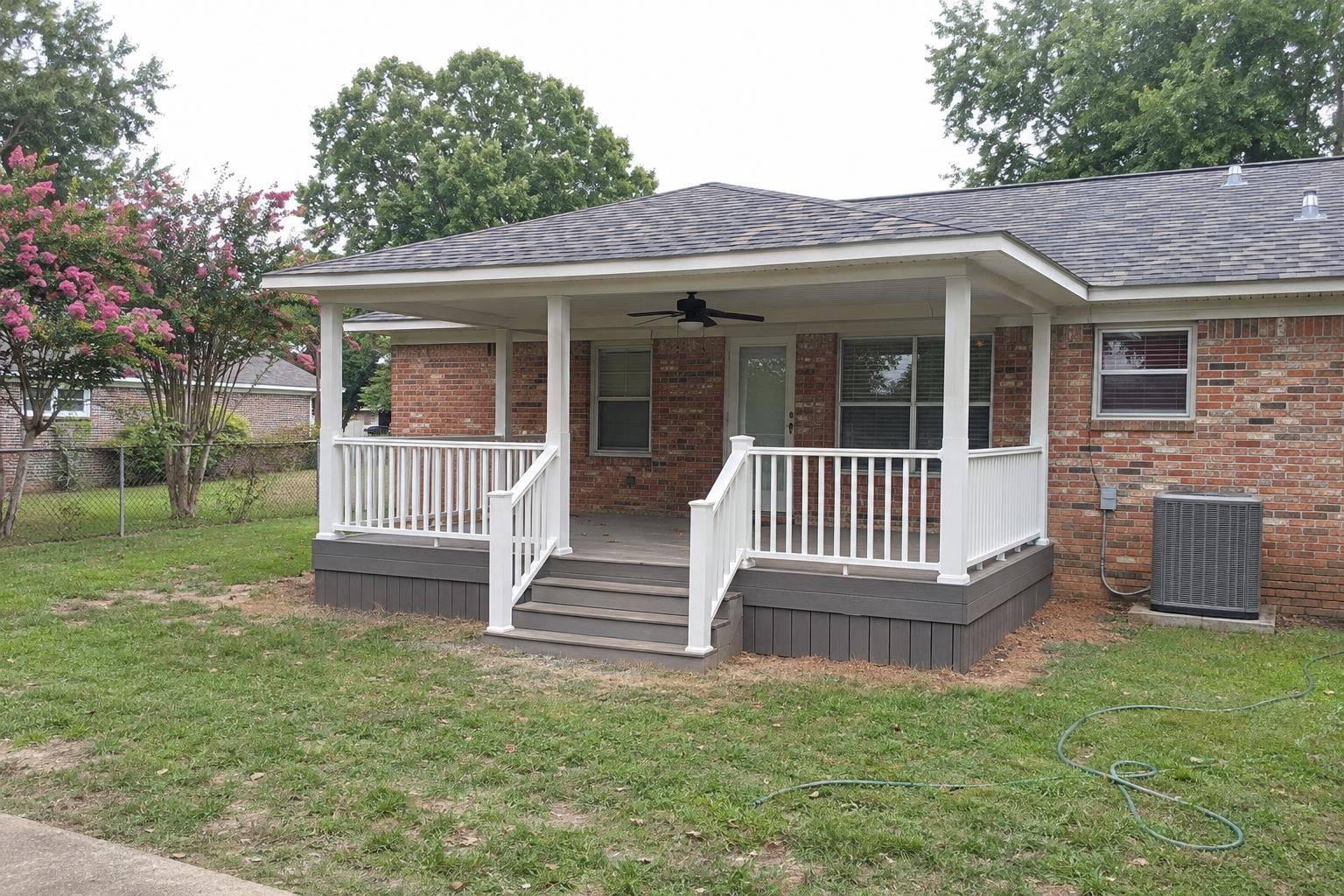
If bugs or afternoon sun keep you off the deck, we can add a screened section or a roof over part of it. It's framed into the existing structure rather than bolted on as an afterthought.
Four steps, and no surprises in any of them.
You tell us what you want doing, we look at what is actually there, and we ask the awkward questions early.
In writing, itemised, free. If something might add cost later we flag it now rather than at the end.
Same crew throughout. We cover your floors, keep the dust down and tidy up before we leave each day.
You point out anything you are not happy with and we fix it before the invoice, not after.
We bring the same crew and the same framing standards to every town on this list.
Questions that come up once a project's actually underway.
Describe the problem and we will tell you what it probably is. No obligation.